Built in 1952
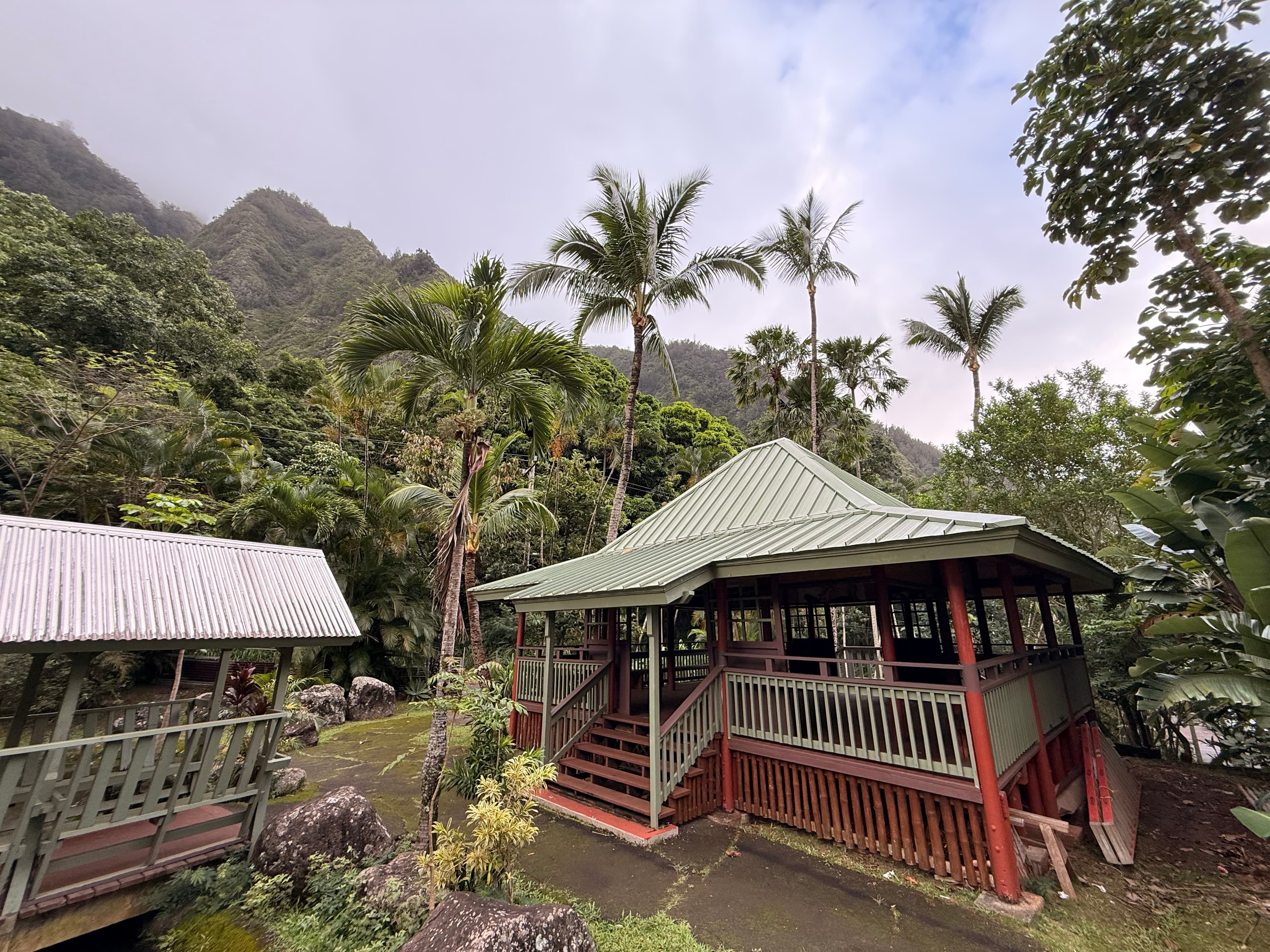
The bahay kubo at Kepaniwai was built as a living piece of Filipino heritage on Maui — a house of bamboo and nipa in the green of ʻĪao Valley, meant to welcome neighbors and visitors alike. We care for it so Hawaiʻi can keep a traditional bahay kubo that stands among the best — and so Maui remains its home.
Bayanihan
Bayanihan is the spirit of a community lifting together — literally, in older times, neighbors carrying a whole house to a new place. That same spirit raised this structure and still shows up on Saturday mornings: volunteers tending the grounds, the pond, and the house.
Storm, flood, and repair
Years of weather — including storm and flood damage — have worn the house. The Bahay Kubo Heritage Foundation, a registered 501(c)(3) nonprofit, exists to restore and maintain it: bamboo, thatch, hardwood, and the care that keeps a traditional house alive.
The roof restoration is complete. Volunteers continue to care for the house — upkeep, grounds care, and keeping it welcoming for visitors — with work days announced on this website and Facebook.
At Kepaniwai
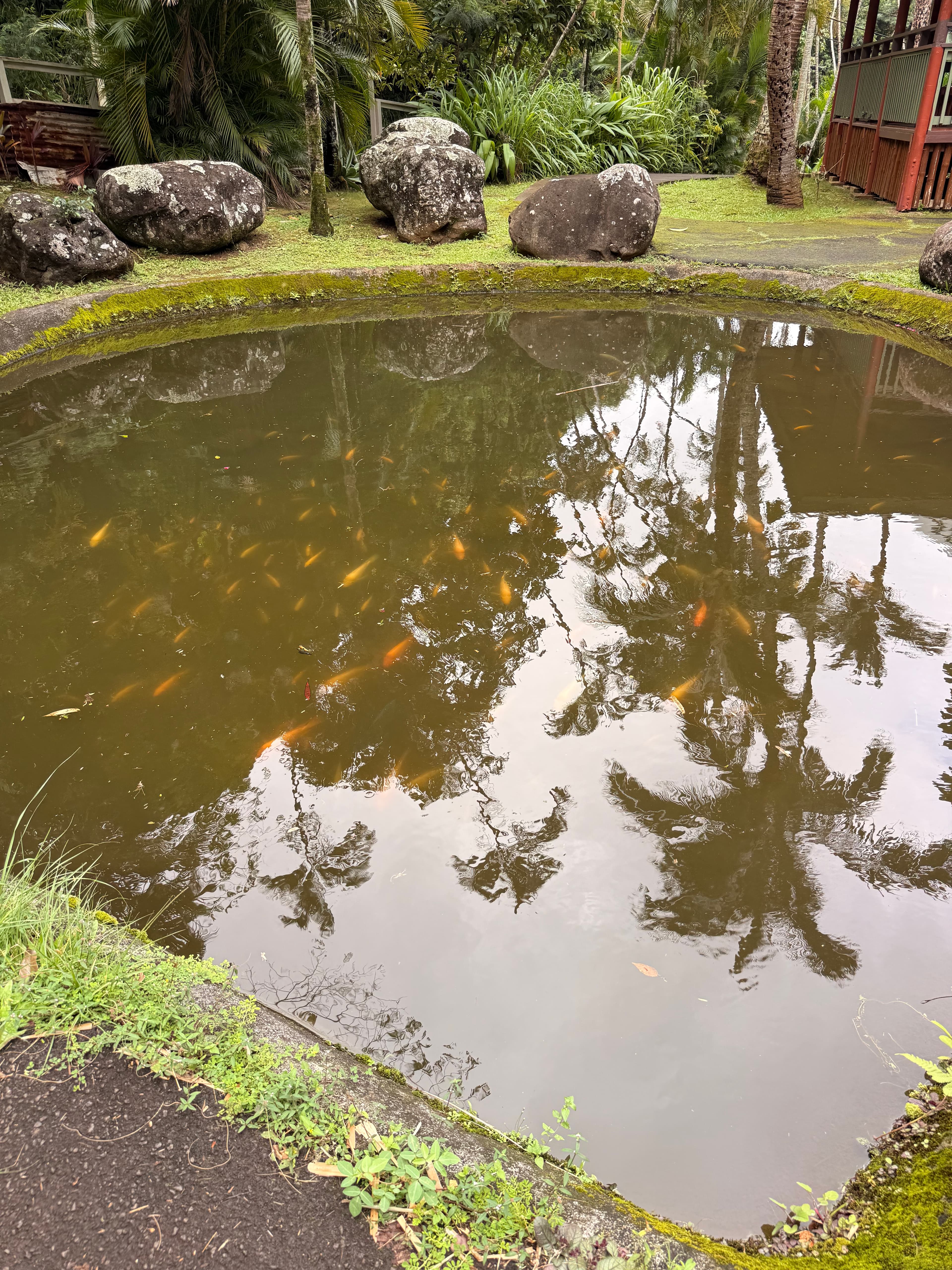
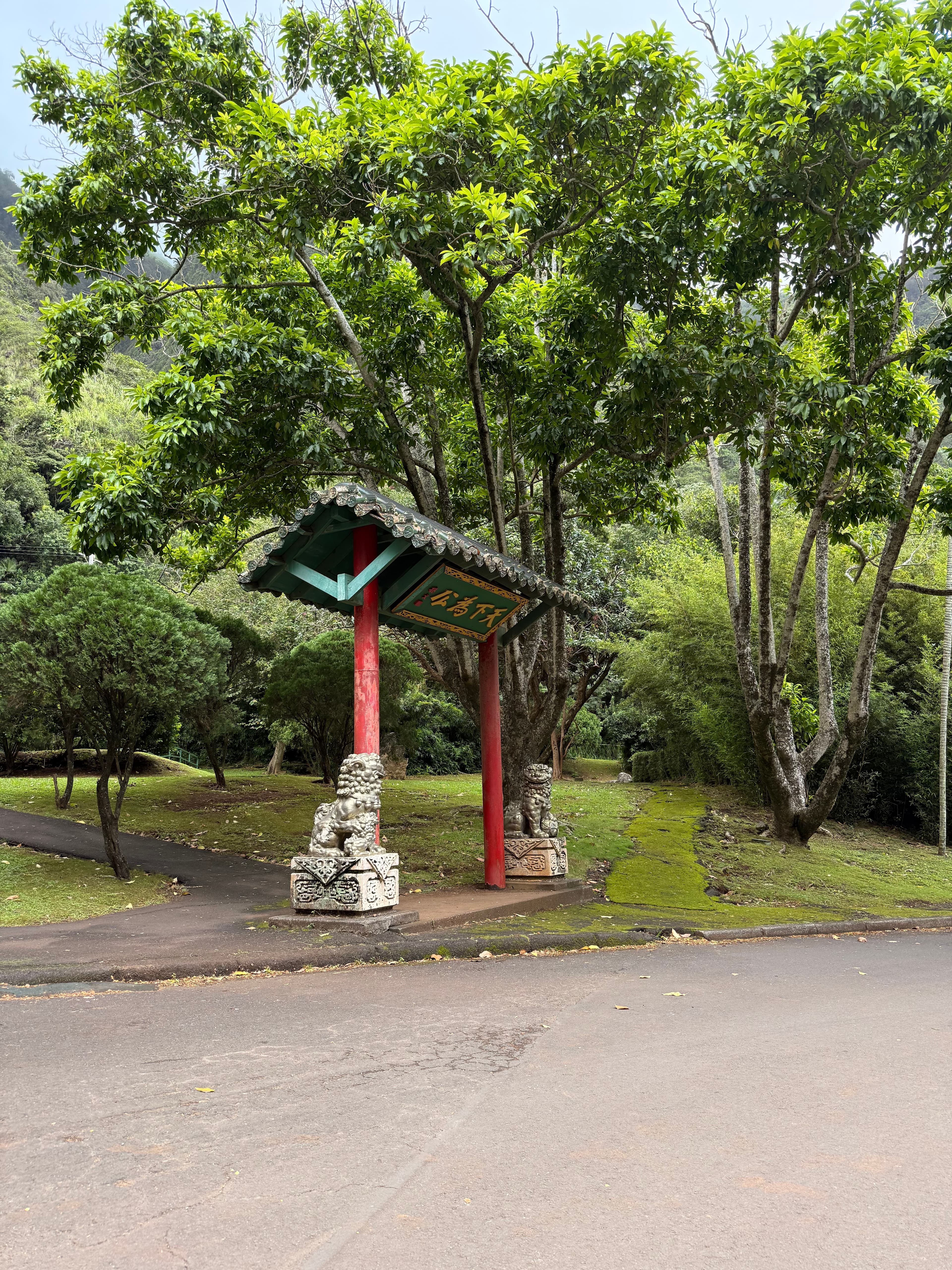
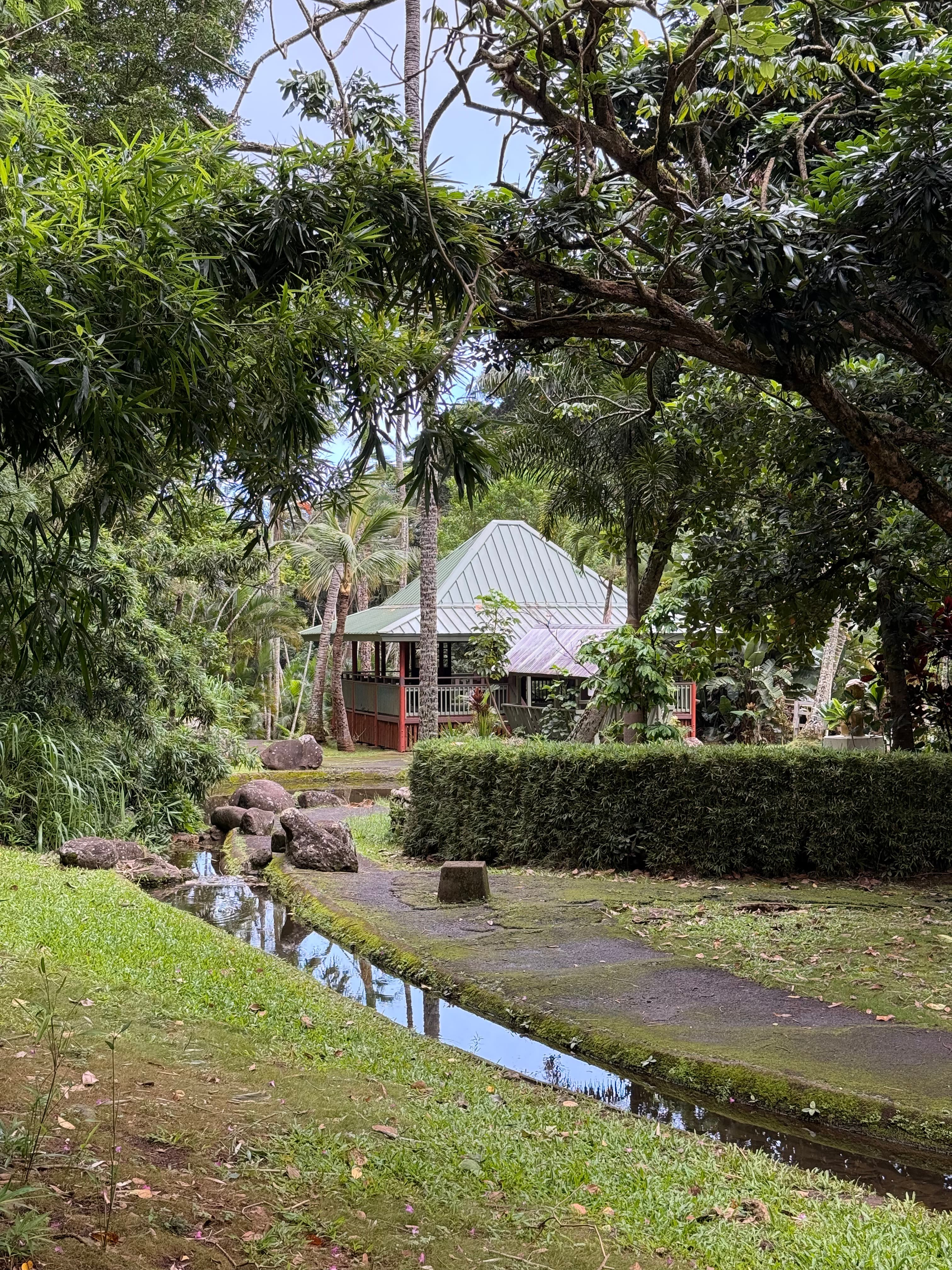
The house sits in Kepaniwai Heritage Gardens — a place of many cultures in ʻĪao Valley. Paths, ponds, and neighboring exhibits frame the bahay kubo for visitors who come to learn, rest, and remember.