Bahay Kubo Heritage Foundation · Official website
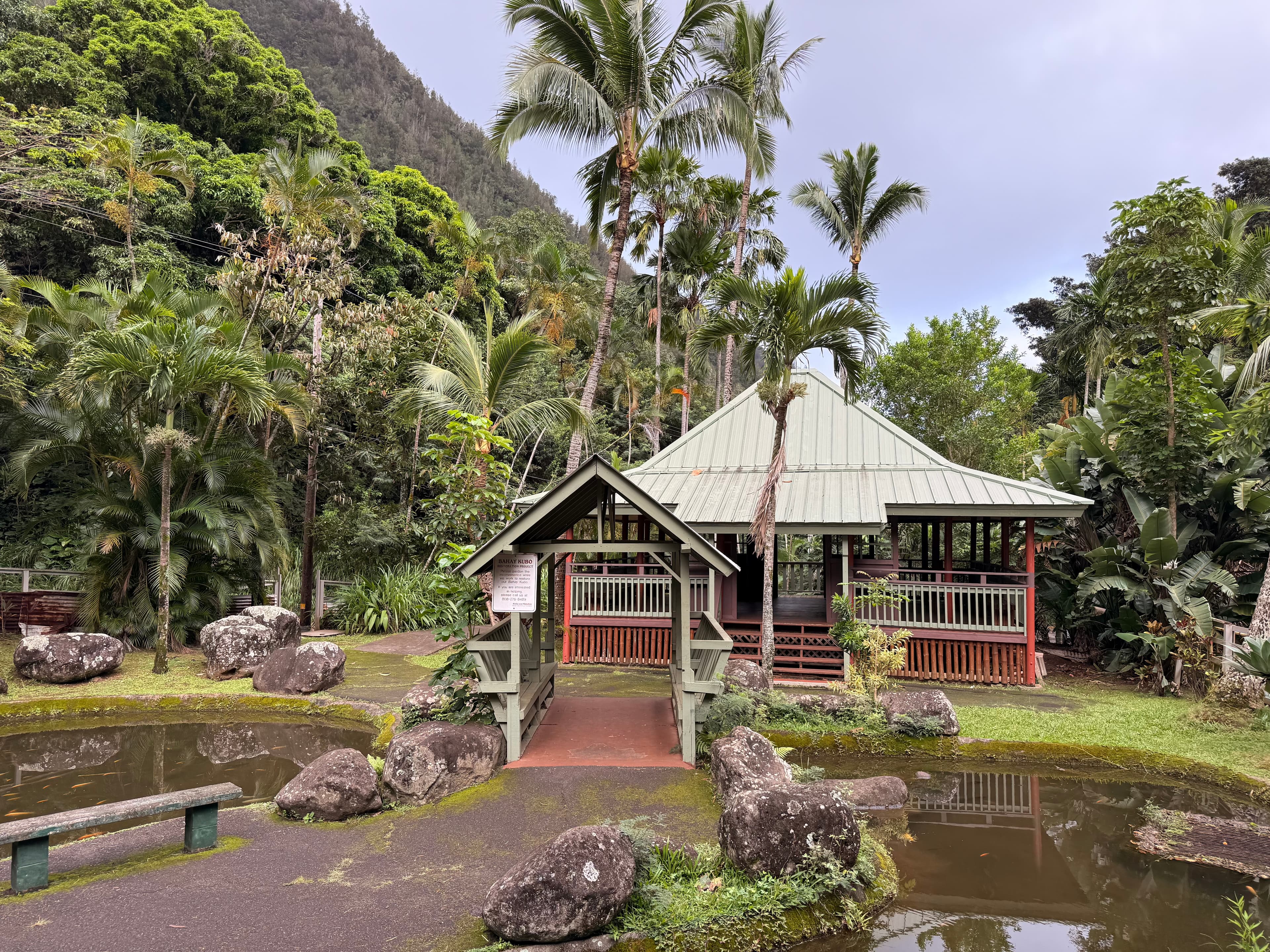
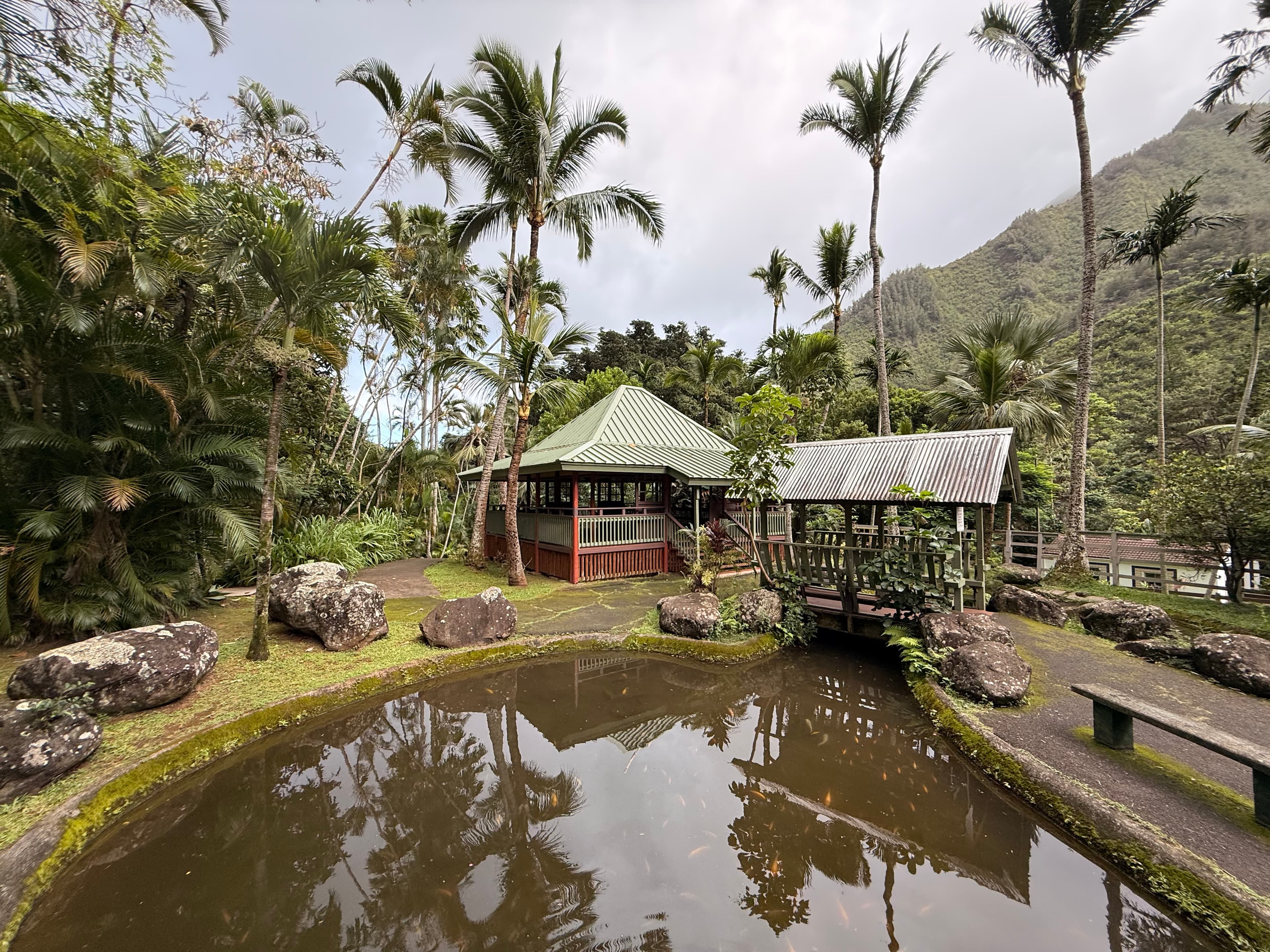
The Bahay Kubo at Kepaniwai Heritage Gardens in ʻĪao Valley, Maui
Built in 1952 and restored by volunteers. A place on Maui for neighbors, visitors, and anyone who wants to help keep this Filipino house standing.
Where to start
If you found us from a QR code in the park, or you already know the house, you can start here.
Learn the Story
Raised in 1952 as an homage to the sakadas, restored by volunteers, and still cared for in ʻĪao Valley.
See the Gallery
Wall art inside the house, plus the Rizal bust and the Filipino exhibit on the grounds. Each piece has its own page you can open with a QR code.
Donate
Cash gifts, bamboo materials, and fundraising events all fund the grounds, structure, and ongoing care.
Visit in ʻĪao Valley
The bahay kubo is at Kepaniwai Heritage Gardens, ʻĪao Valley, Maui. When the gardens are open, step inside. You will see paintings of Filipino life, bamboo and nipa, and a house raised here in 1952.
Working to keep Hawaiʻi’s finest traditional bahay kubo standing, here in ʻĪao Valley, Maui.
Cell service can be spotty in the valley. We kept this site light so it still loads.
How to get there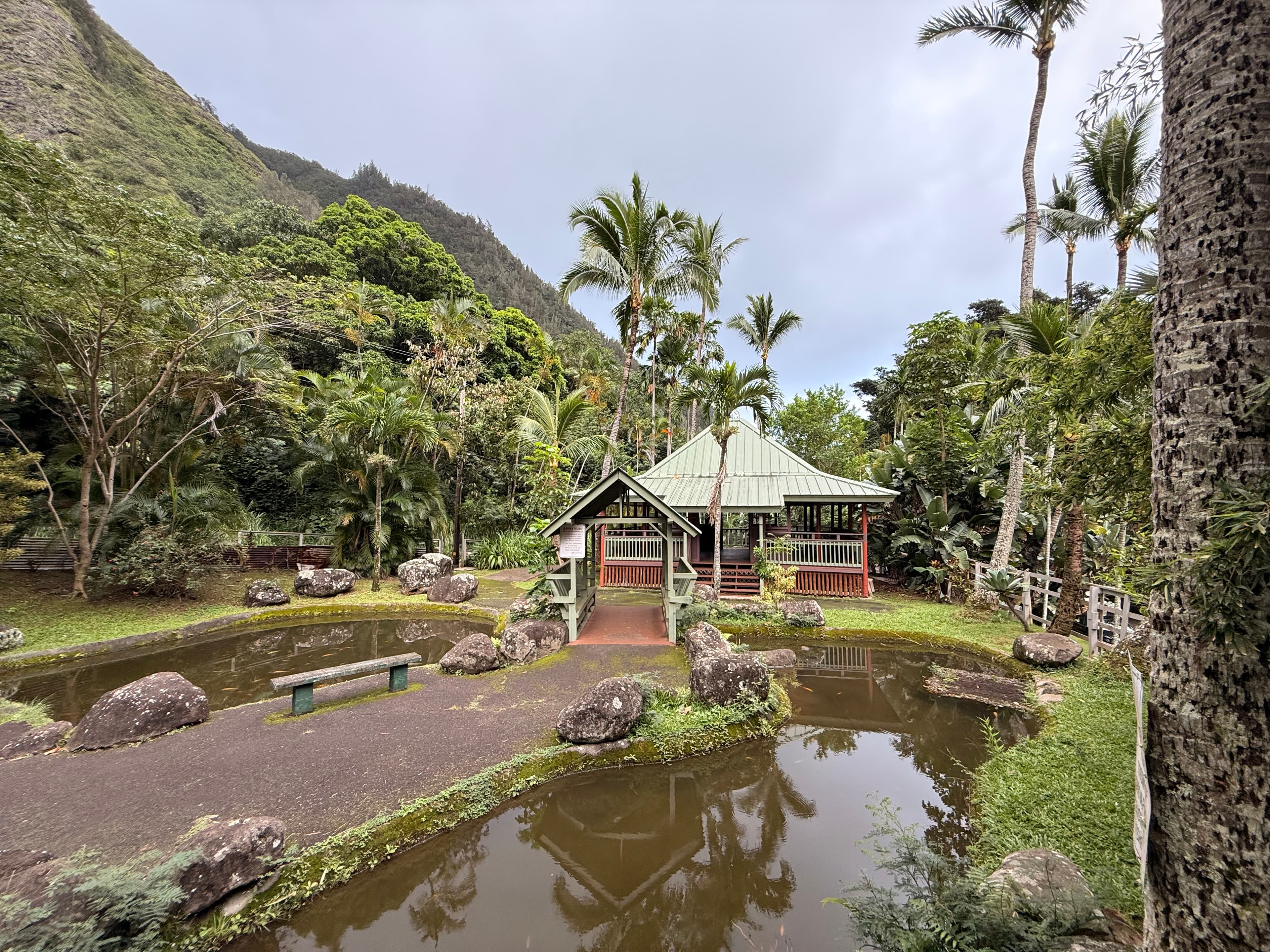
Before you visit
- Where is the bahay kubo on Maui?
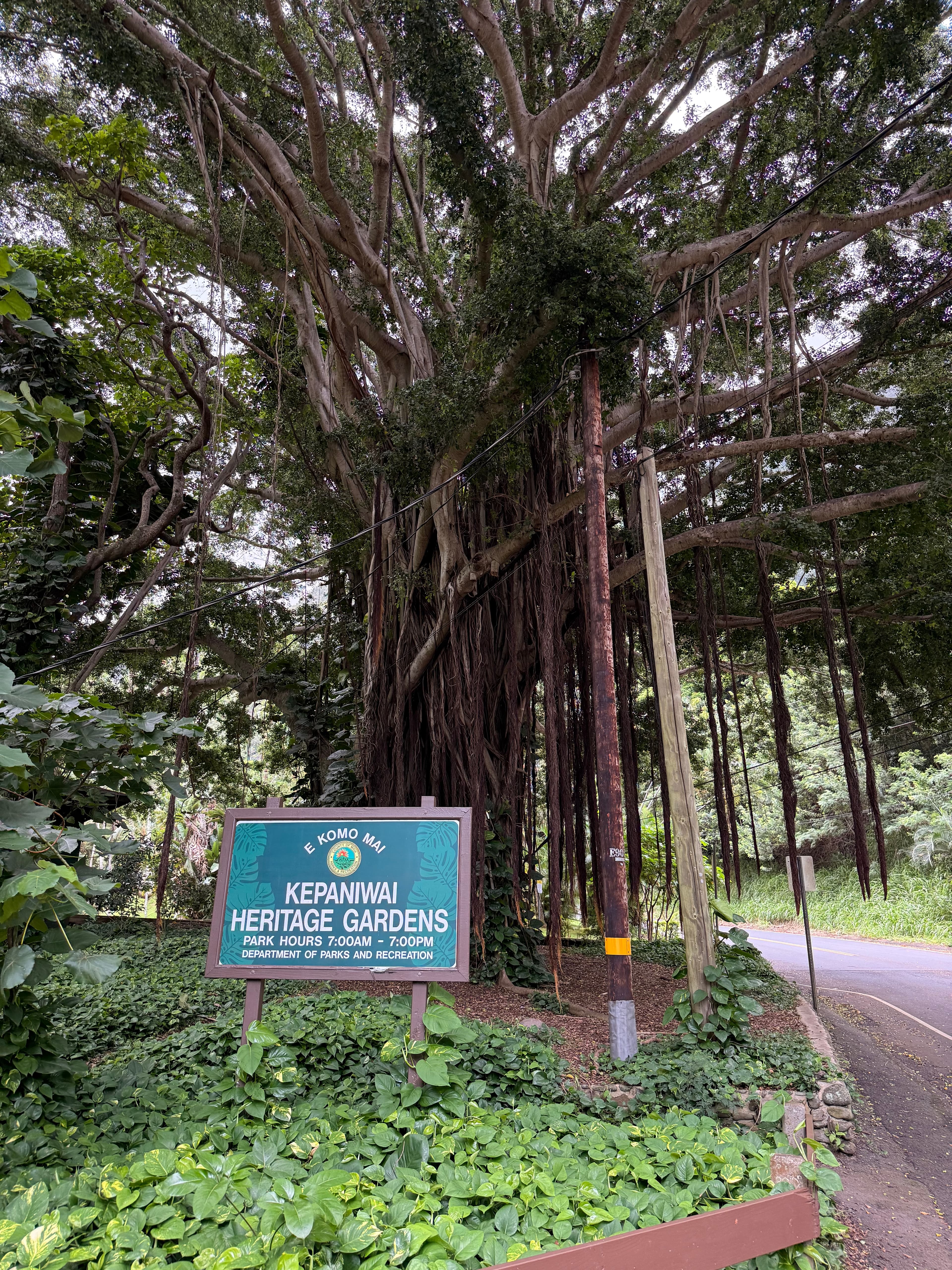
- It stands at Kepaniwai Heritage Gardens in ʻĪao Valley, 870 Iao Valley Road, Wailuku, HI 96793. Walk in from the park entrance when the gardens are open.
- What can you do there?
- Step inside the 1952 Filipino house, look at paintings of village and plantation life, and see the bust of José Rizal on the grounds. It sits in the middle of ʻĪao Valley.
- What is a bahay kubo?
- A bahay kubo is a traditional Filipino farmhouse of bamboo, hardwood posts, and a nipa roof. The house at Kepaniwai was raised in 1952 and is cared for by the Bahay Kubo Heritage Foundation.
Want to help?
Keep an eye on the volunteer page and our Facebook for the next chance to help with grounds care, upkeep, and pond cleanup.
Get involved